
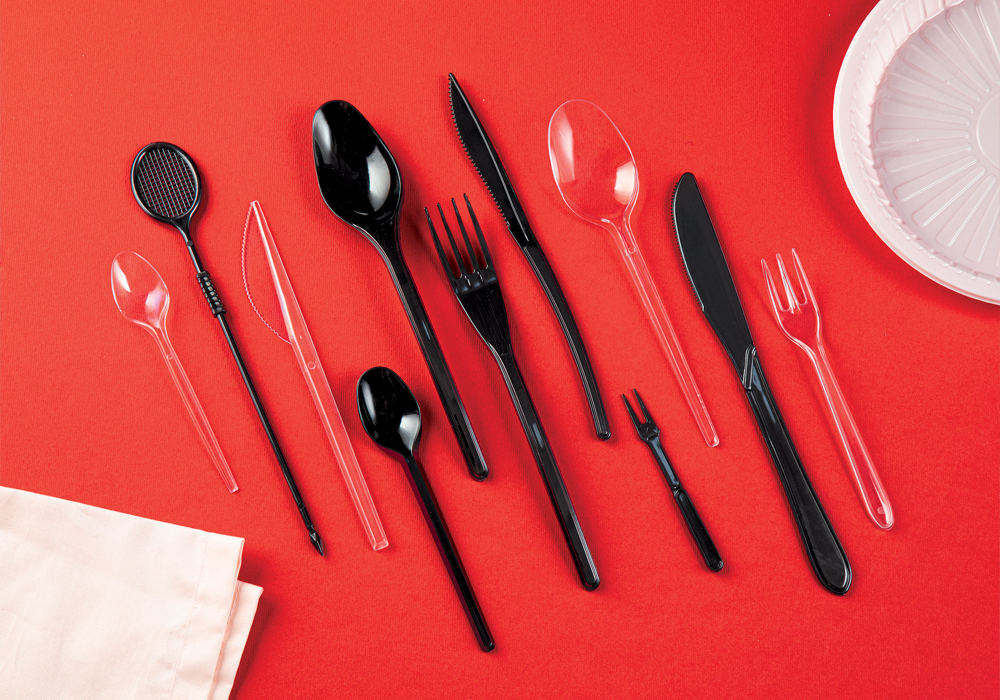
The production process of disposable plastic containers involves several key stages, each requiring specific equipment and technology. This article outlines the various stages involved in producing these containers:
1. Raw Materials
The primary raw materials for manufacturing disposable plastic containers include polymers such as polyethylene (PE), polypropylene (PP), polystyrene (PS), and polyvinyl chloride (PVC). These polymers are derived from petroleum resources and are used to produce various types of containers based on their physical and chemical properties.
- Polyethylene (PE): Known for its high moisture resistance and flexibility, polyethylene is suitable for producing plastic bags, bottles, and some disposable containers.
- Polypropylene (PP): With high thermal resistance, polypropylene is used for containers that require heating, such as microwave-safe dishes.
- Polystyrene (PS): This plastic is characterized by its clarity and rigidity, making it suitable for producing drinking cups and packaging containers.
- Polyvinyl Chloride (PVC): Due to its chemical resistance, PVC is used for producing bottles for chemicals and containers for liquid storage.
2. Production Stages
The production of disposable plastic containers involves several main stages:
- Preprocessing of Raw Materials: Polymer materials arrive at the factory in granule (pellet) form. This stage involves drying the materials and adding necessary additives to prepare them for the manufacturing process.
- Melting and Injection: The dried polymers are fed into an injection molding machine, where they are heated and melted. The molten material is then injected into specialized molds that shape the containers.
- Injection Molding: Used for producing small and precise parts such as caps and bottle closures. Molten plastic is injected into molds under high pressure.
- Blow Molding: Applied for creating hollow containers like bottles. Molten plastic is formed into a tube and inflated into the mold by blowing air.
- Thermoforming: This technique is used for larger and simpler containers like trays and plates. Plastic sheets are heated and then formed into shape using a mold and vacuum.
- Cooling: After molding, the containers must be cooled to maintain their final shape. Cooling can be done with air or water to ensure quality and durability.
- Trimming and Finishing: Once cooled, containers are removed from the molds and excess edges or remnants are trimmed. This step includes cutting, finishing, and preparing the containers for packaging.
- Packaging: The finished containers are packaged to prevent damage during transport. This stage involves packing the containers in cartons, boxes, or plastic bags.
3. Quality Control
Quality control is a critical phase in the production of disposable plastic containers. It involves:
- In-Line Quality Control: Random samples are taken during production to check dimensions, material quality, and mechanical properties.
- Final Quality Control: After production, final products are thoroughly examined to ensure they meet standards for quality, safety, and compliance. This includes visual inspections, precise measurements, and performance tests.
4. Quality Improvement and Innovations
Advancements in the industry focus on enhancing quality and incorporating new technologies:
- Use of Recycled Materials: Incorporating recycled materials helps reduce the consumption of natural resources and supports environmental sustainability. Recycled materials must be carefully selected and processed to maintain product quality.
- Advanced Technologies: Implementing advanced technologies like robotics and automation improves precision and reduces production costs. These technologies also enhance quality and production speed.
- Research and Development (R&D): Ongoing R&D in new materials, production processes, and quality improvement is crucial for industry advancement. Companies must invest continuously in R&D to deliver higher-quality products.
- Reducing Weight and Thickness: Minimizing the weight and thickness of plastic containers without compromising quality reduces production and transportation costs. This requires the use of high-quality materials and advanced production techniques.
Conclusion
The production of disposable plastic containers is a complex, multi-stage process that requires high-quality raw materials, advanced technologies, and meticulous quality control. As environmental concerns grow, the use of recycled materials and innovative technologies plays a vital role in reducing environmental impact and enhancing sustainability. Companies in this industry must continuously invest in quality improvement and innovation to meet market demands and adhere to health and safety standards.