
Polystyrene (PS) is one of the most common plastics globally. This white, brittle plastic has various applications, including packaging, insulation, and construction. To understand its properties and uses better, it’s important to delve into its molecular structure.
Molecular Structure of Polystyrene:
Polystyrene is made up of repeating units of the styrene monomer, an organic molecule with the chemical formula C₈H₈. It consists of a benzene ring and a vinyl side chain.
When numerous styrene monomer molecules link together, they form long polymer chains. These polymer chains intertwine randomly in space, creating a network known as an “amorphous” or “disordered” structure.
Properties of Polystyrene:
The disordered structure of polystyrene imparts unique properties to this plastic. Some key properties include:
- Strength: Polystyrene is relatively resistant to impact and pressure.
- Lightweight: With low density, polystyrene is very lightweight.
- Thermal Insulation: Polystyrene is a good thermal insulator and helps prevent heat loss.
- Sound Insulation: It effectively blocks sound, making it useful for noise reduction.
- Chemical Resistance: It resists many chemicals, including acids and bases.
- Recyclability: Polystyrene can be recycled and repurposed for new products.
Applications of Polystyrene:
Polystyrene’s unique properties make it useful in various industries. Major applications include:
- Packaging: Widely used for food packaging, pharmaceuticals, and other products due to its lightweight, thermal, and sound insulation properties. It’s suitable for sensitive and perishable goods.
- Insulation: Used in building insulation, refrigerators, and other equipment due to its thermal and sound insulation properties.
- Construction: Employed in construction as ceiling blocks, insulating walls, etc.
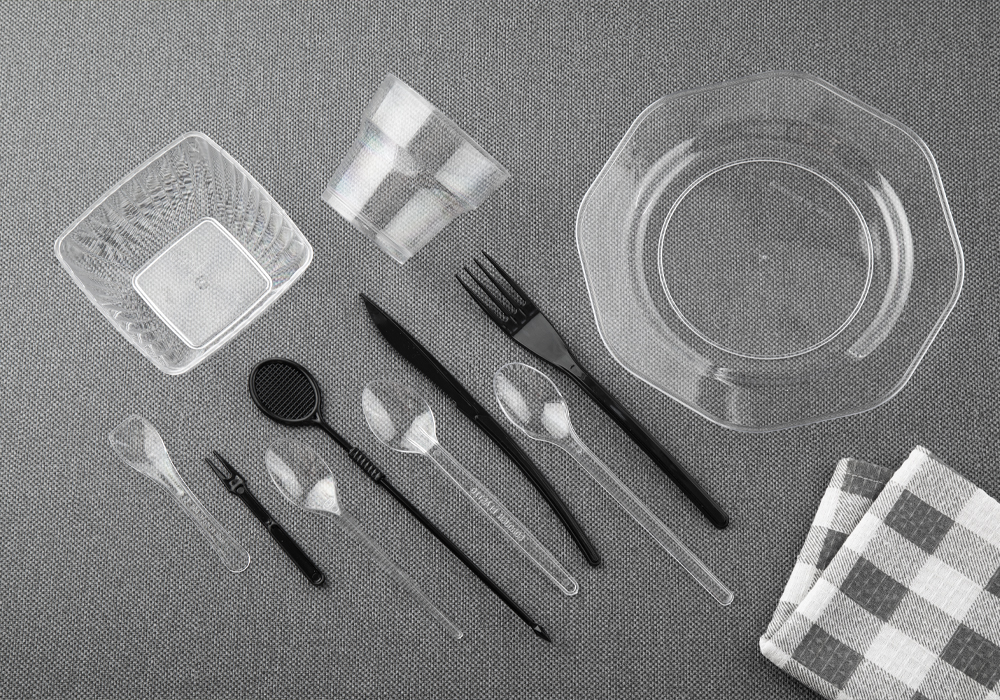
- Consumer Products: Found in disposable items like cups, plates, cutlery, and plastic models.
Disadvantages of Polystyrene:
Despite its many advantages, polystyrene has some drawbacks:
- Environmental Impact: Polystyrene does not fully degrade and can remain in the environment for hundreds of years, leading to soil, water, and air pollution.
- Health Risks: Studies suggest that polystyrene may pose health risks, as it can contain harmful chemicals like styrene, which may cause headaches, dizziness, and other health issues.
Conclusion:
Polystyrene is a plastic with a simple molecular structure and unique properties. While it has many industrial applications, it also presents environmental and health challenges. When using polystyrene, it’s important to consider these benefits and drawbacks and minimize waste where possible.